Every list of the best cities in Spain for expats leads with Madrid and Barcelona. The most recent InterNations Expat City Ranking says otherwise: Valencia first, Málaga second, Alicante third — with Barcelona all the way down at 21st globally. This looks at what actually makes each major Spanish city work, and not work, for different situations: career, cost, climate, and community, rather than just repeating the two most famous names.
Table of contents
- What the data actually says
- Madrid: the career move
- Barcelona: beach and startups, at a price
- Valencia: the balance
- Málaga: sun and a soft landing
- The alternatives: Alicante, Seville, Bilbao, and San Sebastián
- Which city actually fits you
- Frequently asked questions
What the data actually says
The InterNations Expat City Ranking 2024 puts Valencia 1st in the world, Málaga 2nd, and Alicante 3rd. Madrid comes in 7th. Barcelona — the name most people say first when asked to name a Spanish city — ranks 21st, the weakest of the five by a wide margin.
Barcelona is the most famous name on this list and the worst-reviewed by the people actually living there.
That gap between reputation and lived experience is the whole reason this piece exists. Most “best cities” lists just repeat the familiar order — Madrid, Barcelona, then whatever’s left — because that’s the order everyone already has in their head before they start typing. The people who’ve actually moved and stayed rank it differently, and their answer is worth more than a listicle’s.
Madrid: the career move
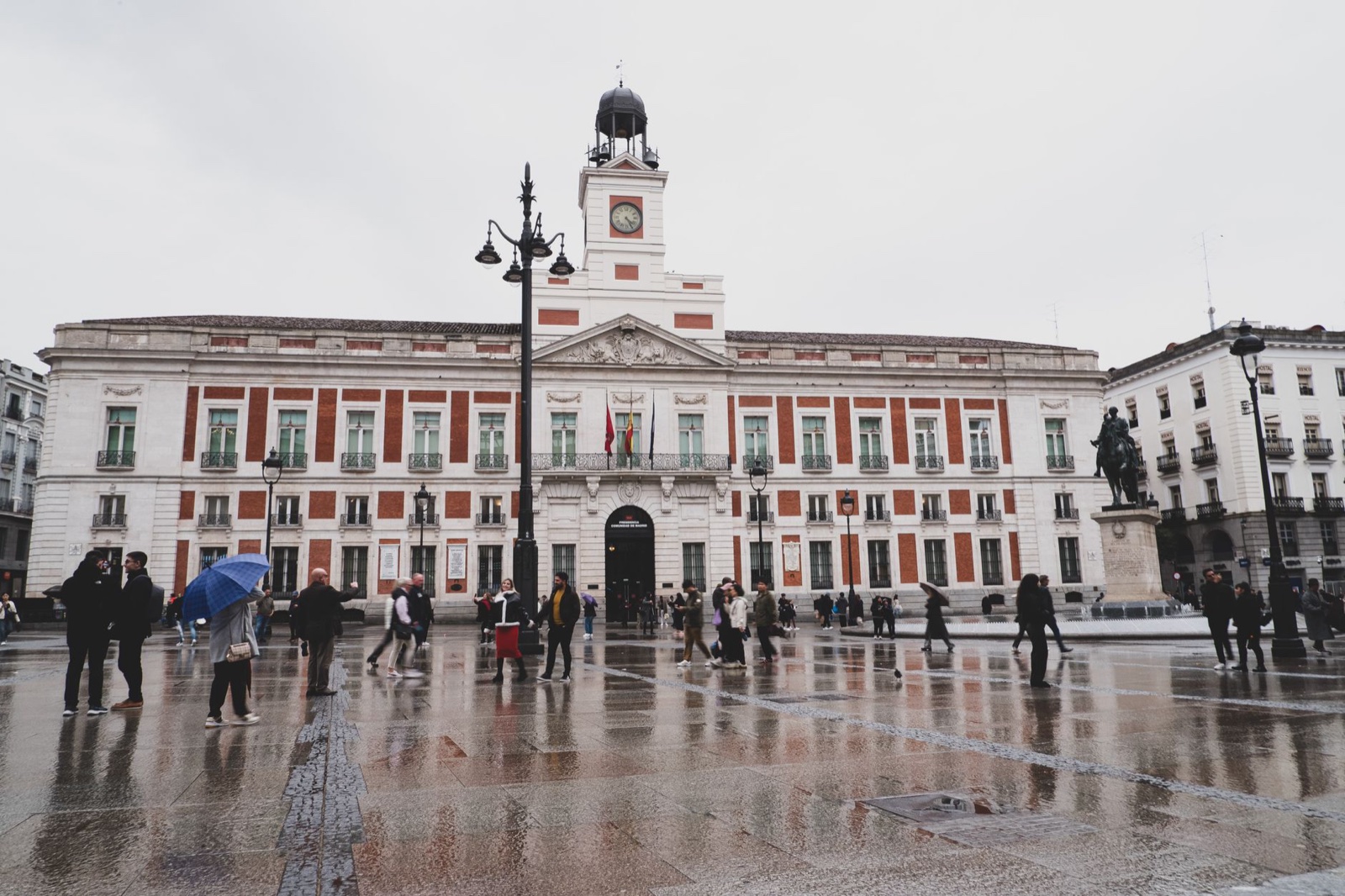
Madrid wins on the thing the ranking doesn’t fully capture: career. It has Spain’s largest job market, the highest salaries, the biggest and most established global expat network, and a genuinely fast-paced urban rhythm if that’s what you’re looking for. If the reason you’re moving to Spain is professional — a transfer, a promotion, a specific industry that clusters here — Madrid is very often still the right answer regardless of where it lands on a satisfaction ranking.
The honest drawbacks: rent price runs among the highest in the country, and Madrid sits inland, which means summer heat with no coastal relief — no sea breeze coming to save you in August, just the heat and the (excellent) air conditioning bill. The full district-by-district budget is here if the career case is enough to move past the drawbacks.
Barcelona: beach and startups, at a price
The appeal is real and easy to see: beach access inside city limits, modern architecture and design, a genuinely active startup and tech scene that’s pulled in a lot of the same crowd Madrid attracts for very different reasons. It’s the city most people picture when they picture “moving to Spain,” and for good reason.
It’s also the most expensive of the five, and InterNations’ 21st-place ranking isn’t a rounding error — it’s the weakest score of any major Spanish city on the list, driven by cost pressure and some genuine friction expats report around local politics and language (Catalan alongside Spanish, which catches some newcomers off guard). None of that means don’t move here. It means the postcard and the day-to-day aren’t quite the same city. The real rent numbers by neighborhood are here if the appeal survives the caveat.
Valencia: the balance

Valencia takes the top spot for a reason that shows up in almost every source, not just InterNations: it’s the best cost-to-quality balance of any major Spanish city. Relaxed Mediterranean pace, genuinely strong parks and bike infrastructure, a beach that doesn’t require a metro transfer to reach, all at a price that hasn’t (yet) caught up to Madrid or Barcelona.
The caveat worth knowing before you assume “cheap”: rent has risen meaningfully here, driven largely by remote-worker demand discovering the same thing this ranking just told you. The real numbers, district by district, are here — “cheaper than Barcelona” is still true, “cheap” on its own is starting to be a stretch. The towns just outside the city are where that stretch snaps back.
Málaga: sun and a soft landing
Málaga functions as the main soft landing on the Costa del Sol — warm weather essentially year-round, a growing cultural and museum scene that’s outgrown its old reputation as purely a beach town, and a relaxed Andalusian pace that a lot of people moving from colder, faster places are specifically looking for. InterNations ranks it 2nd globally, just behind Valencia. The full cost breakdown is here if the climate case is already closing the deal.
The alternatives: Alicante, Seville, Bilbao, and San Sebastián
Alicante ranks 3rd on InterNations — ahead of both Madrid and Barcelona, which surprises almost everyone who hasn’t looked at the actual data. It’s the cheaper coastal alternative to Barcelona or Málaga, with a large, already-established English-speaking retiree and remote-worker community, so the first few months feel less like starting from zero. The full budget, neighborhood by neighborhood, is here.
Seville is the pick for someone who wants an authentic, traditional Spanish cultural experience rather than an expat-bubble city — fewer other foreigners, more of the country as it actually is outside the tourist-facing coastal cities. The real trade-off: summer heat here gets genuinely extreme, not “pack a fan” extreme. The real numbers, including that heat as a line item, are here.
Bilbao trades warmth for quality of life — cooler, greener, and wetter than everywhere else on this list, with a distinct Basque culture and food scene that’s its own draw rather than a substitute for the south. Significantly more rain than the rest of this list is the honest cost of that green. The full breakdown is here.
San Sebastián is the one city on this list where “cost of living” means something different entirely — it has the highest property prices in all of Spain, above even Madrid or Barcelona. The trade-off is real quality of life: food culture, beaches, and a genuinely walkable city, for a price. What that actually costs, district by district, is here.
Which city actually fits you
None of these cities is objectively “the best” — the InterNations ranking measures satisfaction across everyone surveyed, not your specific situation. A 7th-place city can still be the right answer for one reader and the wrong one for another; the ranking is a starting point for questioning your assumptions, not a substitute for your own priorities.
If career and salary are the priority, Madrid still wins despite the ranking. If you want the best overall balance of cost, climate, and lifestyle, Valencia’s top spot holds up under scrutiny. If sun is non-negotiable, Málaga or Alicante. If you want Spain without the expat bubble, Seville. If you want cooler and greener over warmer and drier, Bilbao. If quality of life matters more than the price tag, San Sebastián delivers it, at Spain’s highest cost. Barcelona still makes sense for plenty of people — just go in knowing the postcard and the InterNations score are telling two different stories.
Picking the city is the easy part of this whole process, oddly enough — the harder part starts the moment you’ve decided and need an actual apartment in it, in a market where the average listing gets 40 contacts before it comes down. Here’s the real process once you’ve picked, city aside.
Frequently asked questions
What is the best place for US expats to live in Spain?
It depends what you're optimizing for, not one universal answer — Madrid for career and salary, Valencia for the best overall balance, Málaga for warm weather and an established expat community, all three with the largest English-speaking networks.
Is $2,000 a month enough to live in Spain?
In Valencia or Málaga, yes, comfortably for a single person including rent in most neighborhoods. In Madrid or Barcelona, that budget covers rent alone in the more central districts, with little room left over.
What part of Spain is best for expats?
The Mediterranean coast — Valencia, Málaga, and Alicante — consistently outranks Madrid and Barcelona in actual expat satisfaction surveys, largely on cost, climate, and pace of life rather than career opportunity.
What are the best towns to live in Spain for expats?
Beyond the big five, smaller coastal towns near Alicante and Málaga (the Costa Blanca and Costa del Sol) have established English-speaking retiree and remote-worker communities, though with a smaller job market than any of the major cities.
What is the best place to live in Spain for retirees?
Alicante and Málaga lead for retirees specifically — warm year-round climate, lower cost of living than Madrid or Barcelona, and an already-large community of foreign retirees, which makes the first year noticeably less isolating.
Which Spanish city has the best quality of life?
By the InterNations Expat City Ranking, Valencia — first globally, ahead of Málaga and Alicante. Bilbao ranks well too on quality-of-life measures specifically, though it's a smaller, less internationally known market.