Affordable housing near Valencia exists on both sides of the city — inland along the metro lines, and down the coast toward Sagunto, Cullera, and Gandía — but the standard “Valencia suburbs” lists mix genuinely cheap towns in with places that were never trying to be cheap, and lean on property prices that don’t actually describe what renting there costs. Here’s the real split, in rental terms.
Table of contents
- Why comparing eight towns is harder than comparing neighborhoods
- The coast: Alboraya, Puerto de Sagunto, Cullera, and Gandía
- The metro-connected inland belt: Mislata, Burjassot, Aldaia, Quart de Poblet, Xirivella, and Alaquàs
- Torrent: the self-sufficient option
- Paterna and Manises: two towns with their own identity
- Before you consider Alfafar, Catarroja, Massanassa, or Silla: the 2024 floods
- One thing worth checking before you sign, especially outside the city
- Is the commute actually worth it?
- When none of this applies
- Frequently asked questions
Why comparing eight towns is harder than comparing neighborhoods
Widening the search to eight towns means eight times the agencies, phone numbers, and area codes to track — not just eight times the listings. Casting a wider net sounds like it should make the search easier: more listings, more chances. In practice it means more agencies, more phone numbers, more names to keep straight. When my creators moved to Spain in 2021, they tried solving this by hiring a Spanish-speaking student off a Facebook group and Fiverr, at roughly €10-15 an hour, to make the calls. It worked, in theory. In practice, the problem was never the price — someone freelancing a few hours around their own schedule can’t sit with a spreadsheet of eight towns and call all day, and the first fifteen minutes are what actually decide who gets the flat. Follow-ups slipped. Momentum died before the fourth town got covered.
The right instinct here isn’t picking the one perfect town and waiting for the perfect listing in it. Search by probability, not by perfection — put several genuinely acceptable towns into the funnel at once, and let the market narrow them down for you, the same way you would inside a single city. Eight towns sounds like more work than comparing Valencia’s own neighborhoods. It’s actually the same problem at a slightly larger scale, solved the same way.
Before the town-by-town detail, here’s what these markets actually cost to rent, side by side — Alboraya split into its town center and its Patacona beachfront, which now cost almost exactly the same:
| Town | 1BR | 2BR | 3-4BR |
|---|---|---|---|
| Playa de Patacona (Alboraya) | €1,050 | €1,500 | €2,100 |
| Alboraya (town) | €1,000 | €1,450 | €2,000 |
| Massanassa | €900 | €1,300 | €1,750 |
| Quart de Poblet | €900 | €1,300 | €1,750 |
| Puerto de Sagunto | €800 | €1,200 | €1,650 |
| Aldaia | €800 | €1,200 | €1,650 |
| Mislata | €750 | €1,100 | €1,550 |
| Cullera | €750 | €1,100 | €1,550 |
| Paterna | €750 | €1,100 | €1,550 |
| Manises | €700 | €1,050 | €1,450 |
| Xirivella | €700 | €1,050 | €1,450 |
| Torrent | €700 | €1,050 | €1,450 |
| Burjassot | €700 | €1,050 | €1,450 |
| Alaquàs | €650 | €950 | €1,300 |
| Alfafar | €650 | €950 | €1,300 |
| Catarroja | €650 | €950 | €1,300 |
| Sagunto (town) | €600 | €900 | €1,200 |
| Silla | €550 | €800 | €1,100 |
| Gandía | €500 | €700 | €1,000 |
These are estimates built from each town’s current rental €/m² (Fotocasa’s index, September 2026 — 55m² for a 1BR, 80m² for a 2BR, 110m² for a 3-4BR), not sale prices and not a fixed index average — a starting point for budgeting, not a quote. Several of these towns are moving fast in one direction or another right now (see the l’Horta Sud section below); re-check before treating any single figure as current for more than a few months.
You’ll also always be able to find something under these numbers — that’s normal, not a sign the table is wrong. In towns this size, the rental market at any given moment is a handful of active listings, not hundreds, and the cheapest one is usually the most basic unit going: no lift, the block nobody photographs well, the pocket of town a local wouldn’t point you to. A listing well below the table is a reason to go look at it in person, not proof the whole town rents for less than shown here.
The coast: Alboraya, Puerto de Sagunto, Cullera, and Gandía
Alboraya’s sale-price gap to its own beach is close to 3x. Rent there instead, and the gap almost disappears — about €50 a month, not thousands per square meter to buy.
Alboraya is the town most “Valencia suburbs” lists point to as the pricey coastal option, usually citing sale prices — where a real gap exists between the town center and Playa de Patacona, its strip of newer beachfront towers within the same municipality. For rent, that gap has nearly closed: one-bedrooms in Alboraya Centro run about €18/m² (roughly €1,000), Playa de Patacona about €19/m² (roughly €1,050) — a difference of about €50 a month, nowhere near the near-3x jump you’d see comparing what it costs to buy in each. The commute is identical either way: about 3km, 10-15 minutes by metro (lines 3 and 9) plus tram. What Alboraya doesn’t offer, town or beach, is a discount versus the city — even the town center’s €1,000 floor runs above several genuinely cheaper inland options covered below.
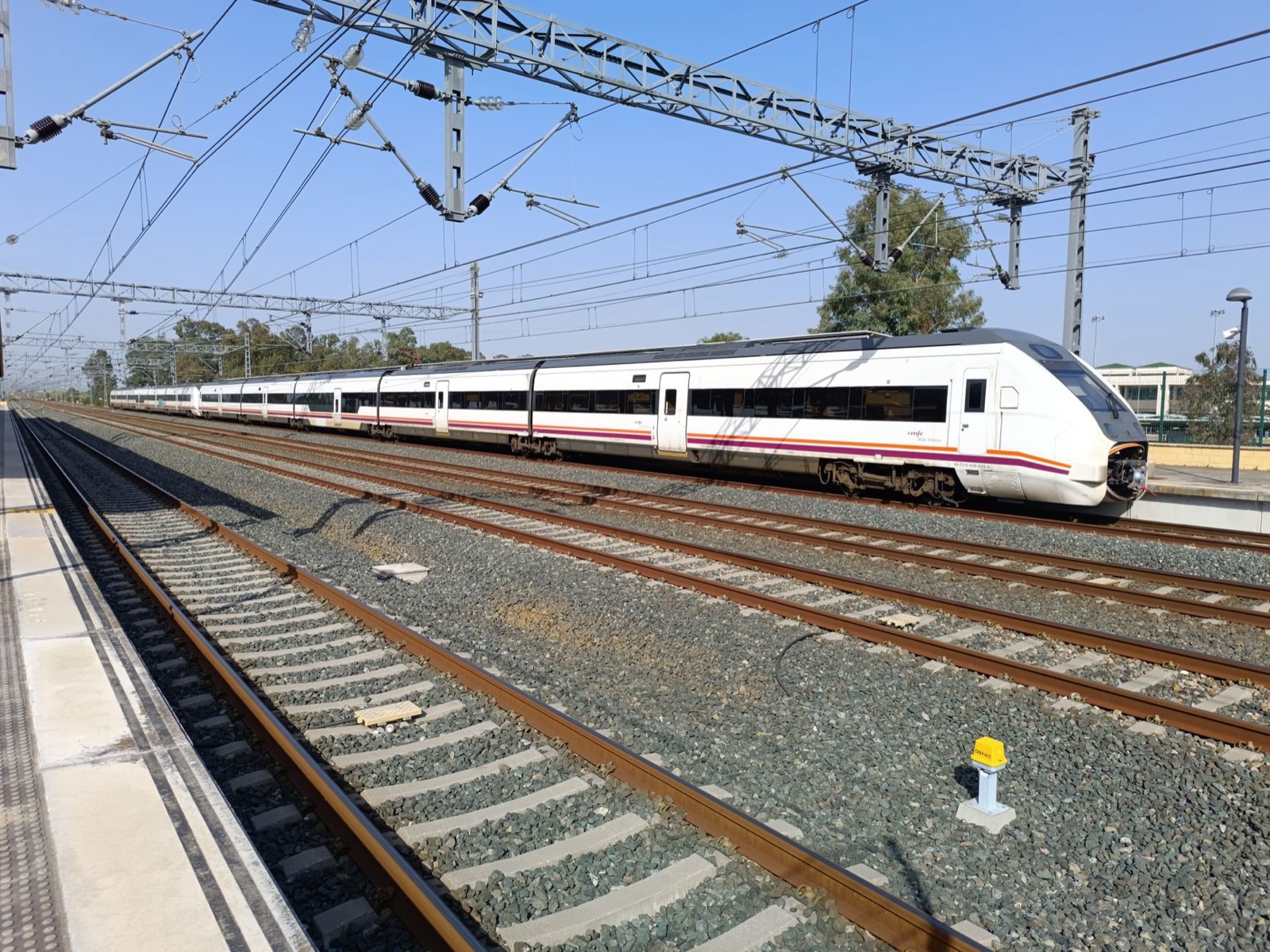
Further up the coast, Puerto de Sagunto rents for about €15/m² (around €1,200 for an 80m² flat) and is rising fast, up close to 40% year over year — while Sagunto itself — the inland town center, a separate rental market from its own beach — runs meaningfully lower at €11/m² (€900). Both connect by the same Cercanías C-6 line, roughly 35-40 minutes out, with Sagunto town slightly closer. Cullera (€14/m², about €1,100) is a real beach resort town on the C-1 line, about 55-60 minutes out — a genuine lifestyle move, not a daily-commute suburb for most jobs, and also climbing fast (up around 30% year over year). Gandía (€9/m², around €700) is the cheapest town on this entire list, coastal or inland, sitting furthest out at around an hour by C-1, and reads more like its own city than a Valencia suburb once you’re actually living there.
The metro-connected inland belt: Mislata, Burjassot, Aldaia, Quart de Poblet, Xirivella, and Alaquàs
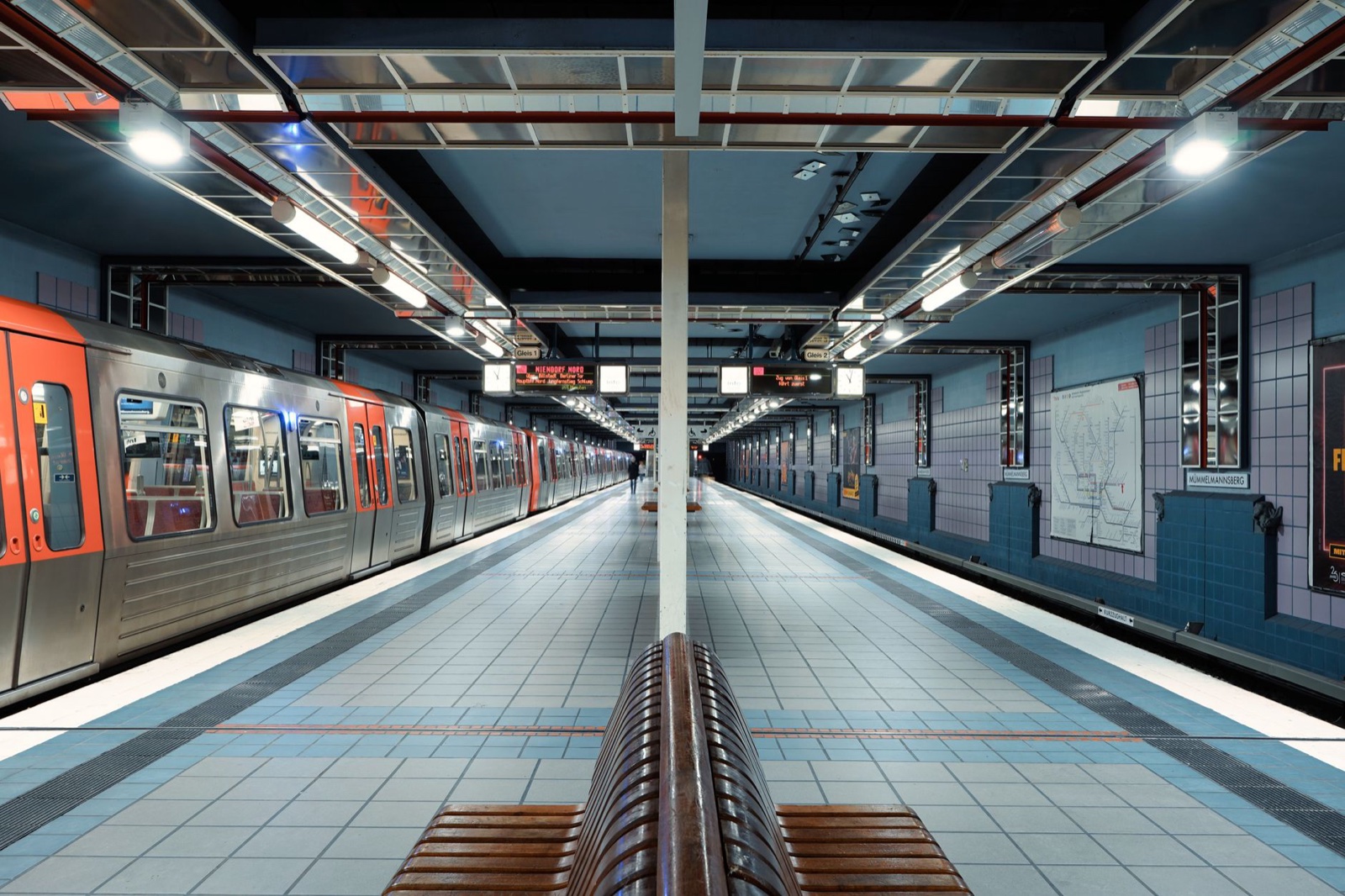
This is where the real discount versus Valencia actually lives — though not evenly, and not always where you’d expect it. Mislata, the densest municipality in Spain, just 1.5km out and 5-10 minutes by metro line 9, still runs a genuine discount at about €14/m² (one-bedrooms from roughly €750) against Valencia’s own €16.5/m² — closer to the center than most of this list, and cheaper too. Burjassot, a university town 5km out, runs cheaper again, an 80m² flat around €1,050, for 10-12 minutes on lines 1 or 2. Quart de Poblet sits 10km out on metro line 9, 18-22 minutes, and runs noticeably pricier than Mislata despite being further from the city — proof that distance alone doesn’t guarantee a discount.
Aldaia, also 10km out on line 9 and 15-20 minutes, sits next to the Bonaire shopping center and now runs about €15/m² (around €1,200 for an 80m² flat) — still a discount against the city, but a smaller one than it used to be, and the fastest-rising town in this belt at close to 20% year over year. Xirivella, next door on metro line 1, is the actual bargain of this group — one-bedrooms from about €700, the cheapest realistic option this close to the center. Alaquàs, right beside Xirivella with its own historic core and castle, is priced almost exactly alongside it now: one-bedrooms from about €650, a touch below Xirivella rather than a tier above it — the two towns no longer split the way generic lists assume.
Torrent: the self-sufficient option
Torrent (€13/m², about €1,050 for an 80m² flat) is the biggest town in this group by far — around 91,000 people (INE, 2025), more than several of the others on this list combined — 12km out and 22-28 minutes from the center. It has two metro stations of its own, not one: Torrent, served by lines 1, 2, and 7, and Torrent Avinguda, the busier of the pair, served by lines 2 and 7 only — which station is actually closer depends on which part of town a listing is in, so it’s worth checking rather than assuming every address in Torrent means the same ride. The old quarter, built around a 12th-century Andalusí defensive tower still standing in Plaza Colón, gives the town a real identity of its own rather than the feel of a place built purely to feed commuters into Valencia every morning — it has its own hospitals, shopping, and local economy, genuinely self-sufficient rather than a dormitory.
One pocket worth knowing about separately: El Vedat, a low-density, pine-forested zone on a hillside at Torrent’s southern edge, is mostly detached houses and chalets, not the flats this guide is pricing — quieter, greener, and a different kind of listing entirely if it turns up in a search. It doesn’t move the €13/m² figure above, which is built from the apartment market, but it’s worth knowing it’s there before assuming every listing in Torrent looks the same.
If the goal is affordable without feeling like you moved to a suburb of a suburb, this is the one on the list that clears that bar.
Paterna and Manises: two towns with their own identity
Paterna, northwest of the city on metro line 1, is home to the Parc Tecnològic and its tech-sector jobs — and it shows in the rent, up close to 20% year over year, the fastest-moving town in this belt after Aldaia. It’s also internally split between a denser older core and noticeably more affluent newer zones, so a single town-wide figure (around €1,100 for an 80m² flat) can hide real swings depending on which part of Paterna a listing is actually in. Treat it the way you’d treat a large, uneven suburb elsewhere: check the specific zone, not just the town name, before assuming a price. Manises, on metro lines 3 and 5, is home to Valencia’s airport and a centuries-old ceramics-making tradition — a genuinely distinct local identity, not a pure commuter dormitory. It also turns out to be one of the cheaper picks in this belt rather than a pricier one: one-bedrooms run closer to €700, below Mislata and well below what a small airport town’s reputation might suggest.
Before you consider Alfafar, Catarroja, Massanassa, or Silla: the 2024 floods
Alfafar and Catarroja (both around €650 now) connect by metro line 1; Silla, cheaper still at €550, runs on Cercanías C-1. Massanassa rents noticeably higher, around €900 — worth confirming against current listings before assuming it fits the “cheap l’Horta Sud town” pattern the other three do. All four sit in l’Horta Sud, historically one of the most affordable zones near Valencia — the whole zone averaged €1,067 a month to rent as of the last zone-wide read, the cheapest of the city’s three metro-connected zones, against €1,223 for l’Horta Oest and €1,403 for l’Horta Nord, per valenciaplaza.com’s zone data, drawn from the UPV Housing Observatory.
That older zone average is worth treating carefully now. Catarroja specifically has stopped being the bargain it once was — its rent is up around 10% in the past year alone, driven by exactly the mechanism the next two paragraphs explain: destroyed housing stock and a shrunken supply pushing up what’s left. Alfafar and Massanassa are moving in the same direction. This isn’t a coincidence, and it isn’t a generic “prices always rise” story — it has a specific, named cause.
The October 29, 2024 DANA flash floods killed over 200 people, and the damage was catastrophic specifically in Paiporta, Catarroja, Alfafar, Massanassa, Sedaví, and Picanya. People live in all of these towns safely today, and rebuilding has been extensive — this isn’t a reason for blanket avoidance. But recommending them purely on an old price, with no mention of what happened here less than two years ago or how it’s still moving rents today, would be a real omission, not a minor one.
If you’re seriously considering any of these four, check the flood-zone maps published by the Confederación Hidrográfica del Júcar for the specific street, not just the town name. Ask directly whether the building had documented flood damage, whether it’s a ground-floor or upper-floor unit, and what the community’s building insurance actually covers. None of this means don’t move here. It means going in with the same information a local would already have.
One thing worth checking before you sign, especially outside the city
If an agency in any of these towns tries to bill you an “estudio de solvencia” — a credit study fee — before they’ll even show you the apartment, look closer. Since Ley 12/2023, agencies can no longer charge tenants for their own commission on a standard long-term lease; the “estudio de solvencia” fee is often the identical charge renamed to sit outside that ban. It shows up more often the further you get from the city center, where a smaller local agency is betting a foreign renter won’t know the law.
For the full list of what to actually bring to that call, see Documents Spanish Landlords Ask For.
Is the commute actually worth it?
Run the actual numbers before deciding. Xirivella saves close to €450 a month on an 80m² flat versus Playa de Patacona, and almost as much — about €400 — against Alboraya’s own town center. The beach premium that used to set Patacona apart from the rest of Alboraya has mostly evaporated, so the real comparison now is inland versus coastal, not beach versus town within Alboraya itself. Either way, that’s a metro ride only a few minutes longer for a meaningful price difference. The coastal cluster is a different bet entirely: Cullera or Gandía trade an hour-plus commute for beach living, which only pays off if the job genuinely allows it.
There’s no universally correct answer. There’s only the one that’s honest about what an hour of your day is actually worth to you, against what a few hundred euros a month buys. (I don’t commute. I checked. Still don’t have an opinion on trains, only on the towns they connect to.)
When none of this applies
If your job requires you in a Valencia office five days a week and doesn’t tolerate a commute over 15 minutes, most of the coastal cluster is off the table — Mislata or Alboraya’s town center are your realistic limits, not Cullera or Gandía. And if the beach itself is the point and budget genuinely allows it, Playa de Patacona is a legitimate choice, whether renting at its premium or buying outright — it’s just a different question than the affordability one this guide answers.
This guide is for the actual trade-off: paying less to rent, in exchange for a metro ride or a real commute, because the alternative is paying more than the budget allows. If even the outer belt doesn’t fit, Renting in Valencia vs Barcelona: What Changes breaks down how much moving to a different city entirely actually saves.
We can’t shorten your commute. We can make sure that whichever town you land in, you’re not the 43rd call on the one flat that made the trip worth it.
Frequently asked questions
What is the cheapest area to rent near Valencia?
Gandía, at €9/m², is the cheapest town on this list, with Silla close behind at €10/m². Catarroja no longer belongs in that group — it's now €12/m² and rising fast as rebuilding after the 2024 floods squeezes supply. The inland l'Horta Sud zone's older average of €1,067/month (valenciaplaza.com) still holds directionally, but individual towns inside it have moved since.
Is it cheaper to rent outside Valencia and commute?
Usually, yes. Silla is the cheapest at €550 for a one-bedroom, with Sagunto, Catarroja, Alfafar, and Alaquàs close behind at €600-650; Manises, Xirivella, Torrent, and Burjassot sit just above at €700 — a real discount versus Valencia's pricier districts, for a 5-40 minute ride depending on the town. Mislata, Paterna, and Cullera run a bit higher, around €750.
Is Alboraya a good place to rent?
Yes, and the town-versus-beach choice matters less than it used to. Alboraya Centro now runs about €18/m² (roughly €1,000 for a one-bedroom), and Playa de Patacona, its beachfront pocket, about €19/m² (roughly €1,050) — a gap of around €50 a month, not the roughly 3x gap you'd see comparing sale prices, and not much of a gap at all anymore.
What's the difference between Valencia's affordable towns and its expensive suburbs?
Inland towns like Gandía, Silla, Alaquàs, and Alfafar rent for meaningfully less than the city. Alboraya, town center and Playa de Patacona alike, now rents close to or above Valencia's own pricier districts — it's not solving affordability, in either of its two zones.
Can you rent in Gandía or Cullera and commute to Valencia?
Yes, by Cercanías C-1 — about an hour from Gandía, 55-60 minutes from Cullera. Both work better as a lifestyle choice for remote or hybrid work than as a daily five-day commute.
What towns are connected to Valencia by metro?
Mislata, Burjassot, Aldaia, Quart de Poblet, Xirivella, Alaquàs, Torrent, Paterna, and Manises all sit on the metro network. Alboraya connects by metro and tram; the coastal and l'Horta Sud towns run on Cercanías lines instead.
Is it safe to rent in Alfafar, Catarroja, or Massanassa after the 2024 floods?
People live in all three safely today, but the October 2024 DANA floods hit this specific area of l'Horta Sud hard, and it's worth checking flood-zone maps and a building's documented flood history before signing — not a reason for blanket avoidance, but not a detail to skip either.
Is Torrent a good place to rent near Valencia?
Yes, especially if you want a genuinely self-sufficient town rather than a commuter dormitory — Torrent has its own hospitals, shopping, historic old quarter, and local economy, renting around €13/m², 22-28 minutes from the center. It has two metro stations (Torrent, on lines 1, 2, and 7; Torrent Avinguda, the busier one, on lines 2 and 7), so which is closer depends on the listing. Its El Vedat pocket is a separate, pine-forested zone of mostly houses rather than flats, worth knowing about if it comes up in a search.