Madrid’s cost of living usually gets reported as one citywide number, but the gap between its most and least expensive districts is nearly double — Salamanca and Centro rent for close to €30/m², while Vicálvaro and Moratalaz sit under €17. This breaks down what a single person or a family actually spends per month, then tours all 21 of Madrid’s official districts so the number means something for the specific part of the city you’re considering.
Table of contents
- How much does it cost to live in Madrid?
- The historic core: Centro, Arganzuela, and Retiro
- The Salamanca-Chamberí-Chamartín-Tetuán belt
- The green northwest: Fuencarral-El Pardo and Moncloa-Aravaca
- West and south-central: Latina, Carabanchel, and Usera
- The affordable south: five districts on the rise
- The east: Ciudad Lineal, Hortaleza, San Blas-Canillejas, and Barajas
- Groceries, transport, and going out
- Frequently asked questions
How much does it cost to live in Madrid?
Excluding rent, a single person in Madrid spends around €798 a month and a family of four around €2,821, according to Numbeo. Including a typical rent (€1,368 for a single person’s setup), that puts an all-in single budget around €2,166 a month, and a family’s around €5,110. Barcelona runs close to the same range, and both sit meaningfully above Valencia or Málaga — Madrid’s citywide rent average is €24.10/m², against Valencia’s low-to-mid teens.
Madrid doesn’t have Barcelona’s beach or Málaga’s coastline pushing prices up. It has Salamanca and Centro doing that job just as effectively on their own.
A one-bedroom in Madrid runs €900-1,650 depending on the district; a three- or four-bedroom €1,750-3,250. Here’s the estimated monthly rent by district and apartment size:
| District | 1BR | 2BR | 3-4BR |
|---|---|---|---|
| Salamanca | €1,650 | €2,350 | €3,250 |
| Centro | €1,650 | €2,350 | €3,250 |
| Chamberí | €1,450 | €2,100 | €2,900 |
| Retiro | €1,400 | €2,050 | €2,800 |
| Chamartín | €1,350 | €1,950 | €2,650 |
| Tetuán | €1,250 | €1,850 | €2,550 |
| Arganzuela | €1,250 | €1,850 | €2,550 |
| Usera | €1,100 | €1,600 | €2,200 |
| Moncloa-Aravaca | €1,100 | €1,600 | €2,200 |
| Puente de Vallecas | €1,100 | €1,600 | €2,150 |
| Ciudad Lineal | €1,050 | €1,550 | €2,150 |
| Latina | €1,050 | €1,500 | €2,100 |
| Carabanchel | €1,000 | €1,500 | €2,050 |
| Hortaleza | €1,000 | €1,450 | €2,000 |
| Fuencarral-El Pardo | €1,000 | €1,450 | €1,950 |
| Barajas | €950 | €1,400 | €1,950 |
| Villaverde | €950 | €1,400 | €1,900 |
| Villa de Vallecas | €900 | €1,350 | €1,850 |
| San Blas-Canillejas | €900 | €1,350 | €1,850 |
| Moratalaz | €900 | €1,350 | €1,850 |
| Vicálvaro | €900 | €1,300 | €1,750 |
These are estimates built from each district’s average €/m² asking price (55m² for a 1BR, 80m² for a 2BR, 110m² for a 3-4BR), not listings-based averages — a starting point for budgeting, not a quote. Worth watching if you’re budgeting ahead: Usera (+18.8% year over year), Puente de Vallecas (+14.1%), and Vicálvaro (+13.3%) are rising fastest — the “affordable south” is closing the gap with the expensive core faster than the core itself is moving.
The historic core: Centro, Arganzuela, and Retiro
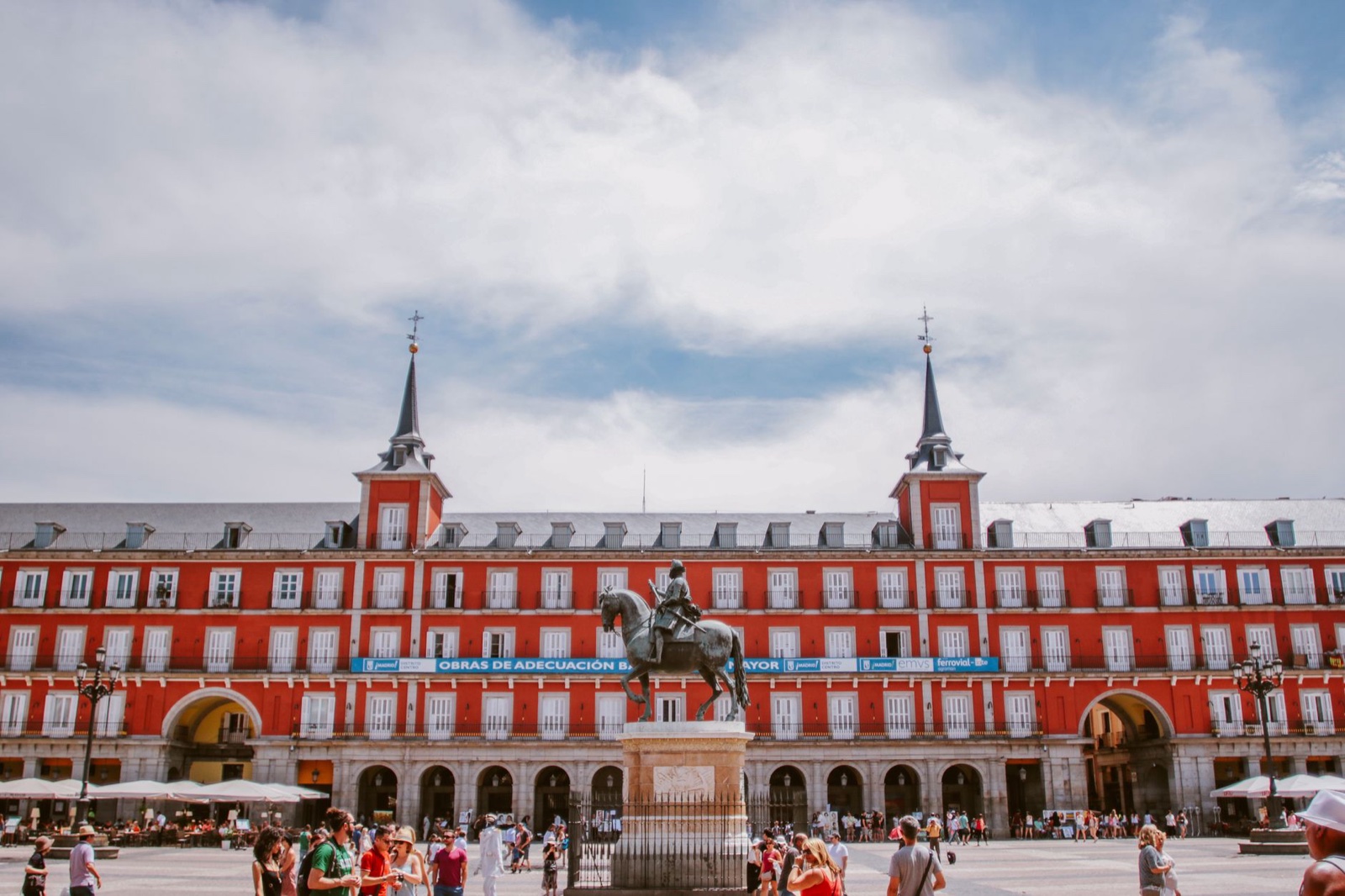
Centro, tied with Salamanca for the priciest district in the city (€29.58/m²), is the tourist and nightlife heart — Malasaña and Chueca for bars and shopping, Universidad and Justicia for slightly quieter residential streets. One naming trap worth getting right before you search: the touristy barrio de La Latina — tapas bars, the Sunday El Rastro market — actually sits inside Centro’s Palacio neighborhood. It is not the same as the separate Latina district, which is further west and covered below. Confusing the two sends you looking in the wrong part of the city entirely.
Arganzuela, home to the Madrid Río park along the old riverbed, is quieter and slightly cheaper than Centro (€23.07/m²) while staying genuinely central. Retiro, named for its park, is green and upscale-residential — popular with families who want central without Centro’s tourist density, priced accordingly at €25.37/m².
The Salamanca-Chamberí-Chamartín-Tetuán belt
Madrid’s other expensive cluster is upscale and business-oriented rather than tourist-historic. Salamanca is the single most expensive district in the city (€29.59/m²) — high-end shopping, the Recoletos and Goya neighborhoods, old money. Chamberí (€26.51/m²) is residential-upscale, popular with young professionals and families, and consistently ranks among the most livable central districts in local surveys. Chamartín (€24.29/m²) is Madrid’s business district, home to the Bernabéu stadium, quieter and more residential than its price tag suggests. Tetuán (€23.12/m²) is more mixed and multicultural than its three neighbors, historically more affordable, and rising fast.
The green northwest: Fuencarral-El Pardo and Moncloa-Aravaca
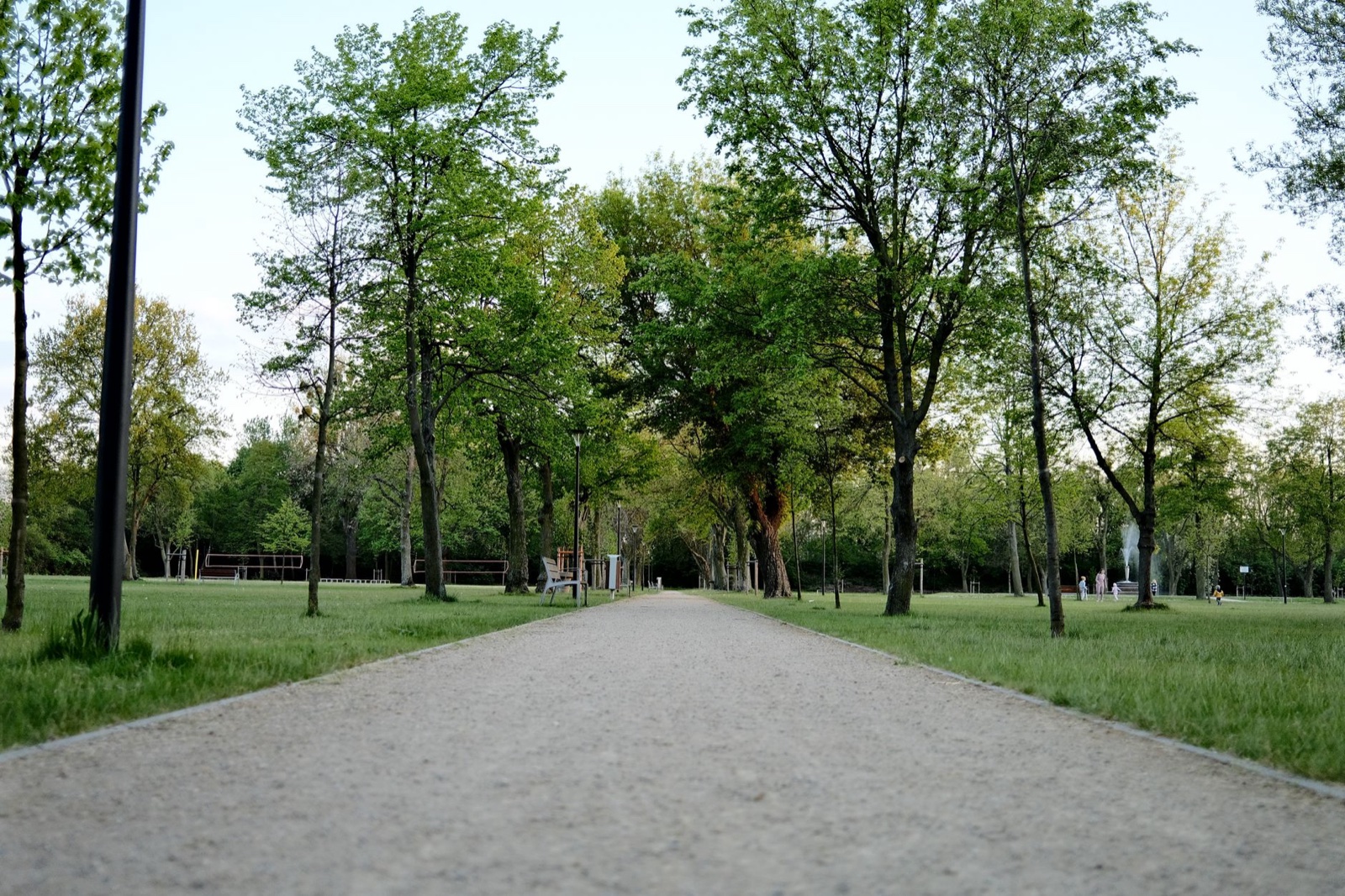
Fuencarral-El Pardo is Madrid’s largest district by area, mostly suburban and low-density, home to the El Pardo royal estate — and meaningfully cheaper than the central belt at €17.94/m². Moncloa-Aravaca (€19.86/m²) is the university district: Ciudad Universitaria draws students and academics, Casa de Campo park is the city’s biggest green space, and Aravaca itself skews upscale-suburban within the same district.
West and south-central: Latina, Carabanchel, and Usera
Latina — the district, not the barrio inside Centro covered above — is residential and family-oriented, running €19.04/m². Carabanchel (€18.54/m²) is large, traditionally working-class, and gentrifying fast in pockets. Usera (€20.15/m²) is home to Madrid’s Chinatown, a genuinely distinctive part of the city that rarely makes it into general guides — and it’s the single fastest-rising district in Madrid, up 18.8% year over year.
The affordable south: five districts on the rise
Puente de Vallecas (€19.73/m², +14.1% YoY) is large, working-class, and has more local character than its price suggests. Villaverde (€17.39/m²) is furthest south, the most affordable of the group, an industrial-residential mix. Villa de Vallecas (€16.72/m²) includes the newer Ensanche de Vallecas development, a genuine new-construction option in a city where that’s rare. Vicálvaro (€16.02/m²) is the cheapest district in Madrid by this data, up 13.3% year over year, and includes the new El Cañaveral development. Moratalaz (€16.60/m²) is quiet, residential, and unglamorous — consistently the least-discussed district in any Madrid guide, which is exactly why it’s worth including here.
The east: Ciudad Lineal, Hortaleza, San Blas-Canillejas, and Barajas
Ciudad Lineal (€19.35/m²) is large, laid out along a historic tram line, home to the Ventas bullring. Hortaleza (€18.03/m²) is family-residential and includes some of Madrid’s newer office development. San Blas-Canillejas (€16.68/m²) has the Metropolitano stadium, Atlético Madrid’s home, plus a mix of old core and new development. Barajas (€17.67/m²) is the airport district, home to the IFEMA convention center — practical rather than picturesque, and worth being honest about who it actually suits: frequent flyers and airport-adjacent work, not everyone.
Groceries, transport, and going out
Groceries run €200-300 a month per person, and this barely shifts by district — a supermarket in Vicálvaro and one in Salamanca charge close to the same prices. A monthly metro pass runs €54.60 (unlimited, zone A), and Madrid’s network is dense enough that district choice rarely means a genuinely bad commute, just a longer one. A beer at a local bar runs €2.50-3.50, a menu del día lunch €12-15, and a mid-range dinner for two €45-65.
Salamanca and Centro aren’t a toll you pay to live in “real” Madrid. Tetuán, Latina, and Chamberí are all genuinely central and run 15-25% below them. The premium in the priciest districts buys polish and an address, not access to the city itself — the same lesson that applies in Barcelona and Valencia.
Once you’ve got a district in mind, the district-to-district price swing here — nearly double, top to bottom — means picking the wrong one off a generic “top 5” list costs real money. Here’s the full process once you’re ready to start calling, including what to have ready before the first agent picks up — even the “affordable” districts here are moving fast, up double digits year over year in three of them. Our Madrid-specific apartment-hunting guide covers the documents and timeline in more detail if you want the city-specific version.
Frequently asked questions
What is the cost of living in Madrid?
Excluding rent, a single person spends around €798 a month and a family of four around €2,821, per Numbeo. Including a typical rent, that's roughly €2,166 for a single person and €5,110 for a family of four — though which district you're in changes that second number a lot.
Is Madrid more expensive than Barcelona?
They run close, with Madrid usually slightly ahead on rent specifically — €24.10/m² citywide versus Barcelona's €22.8/m². Day-to-day costs like groceries and dining land in a similar range in both cities.
Can you live on $2,000 a month in Madrid?
In one of the cheaper districts, sharing a flat or renting a modest one-bedroom, yes. In Salamanca or Centro, that budget would go almost entirely to rent alone, leaving little for anything else.
Which Madrid district is most expensive? Which is cheapest?
Salamanca and Centro are the most expensive, both around €29.6/m². Vicálvaro is the cheapest at €16.02/m² — nearly half the price for the same size apartment.
What is "La Latina" and is it the same as the Latina district?
No, and mixing them up is an easy mistake. The barrio de La Latina — tapas bars, the Sunday El Rastro market — sits inside the Palacio neighborhood of the Centro district. The separate Latina district is further west and includes Los Cármenes and Aluche.