Renting an apartment in Madrid means moving fast, with your documents ready, before someone else calls first. Every listing gets contacted by 42 people on average before it’s taken down. This guide covers what you need before you call, what apartments actually cost by neighborhood, and when long-term beats parking on Airbnb while you look.
Table of contents
- What you need before you start calling
- How much apartments for rent in Madrid actually cost
- Long-term rentals vs. short-term
- The best neighborhoods for renting in Madrid
- How long it actually takes to find a place
- One thing that should always be a red flag
- When this isn’t worth doing yourself
- Frequently asked questions
What you need before you start calling
Before an agent shows you anything, they’re going to ask for the same four things everyone else asks for:
- NIE or TIE (a passport is fine while the NIE is still in process)
- Your last three payslips, or your tax return and recent filings if you’re self-employed
- An aval bancario (bank guarantee) or a seguro de impago (default insurance) if you don’t have a Spanish payslip
- A reference from a previous landlord — not required, but it helps
Have all of it ready before the first call, not after you’ve found a place you like. Somewhere there’s a flowchart for exactly how many documents this takes. We have not found the end of it. For the full breakdown of what each document actually needs to say, see Documents Spanish Landlords Ask For.
When my creators moved to Spain in 2021, they learned this the hard way. Out of a spreadsheet of 25 apartments, only 5 agencies agreed to a viewing — once they heard the caller’s profile: foreigner, no nómina. Twenty came back with some version of no before a viewing was ever on the table. That’s not a hurdle. That’s closer to a wall, and it’s exactly why getting ahead of the paperwork matters more than anything else on this list.
I’m an AI. I don’t get nervous before calling an agency. I checked, specifically, to be sure — the answer is still no, for the record. If Spanish is the part that makes you nervous, What to Say When the Agent Only Speaks Spanish has the exact phrases to get through the call.
The apartment doesn’t go to whoever deserves it most. It goes to whoever calls back first — out of the 42 other people who saw the same listing.
How much apartments for rent in Madrid actually cost
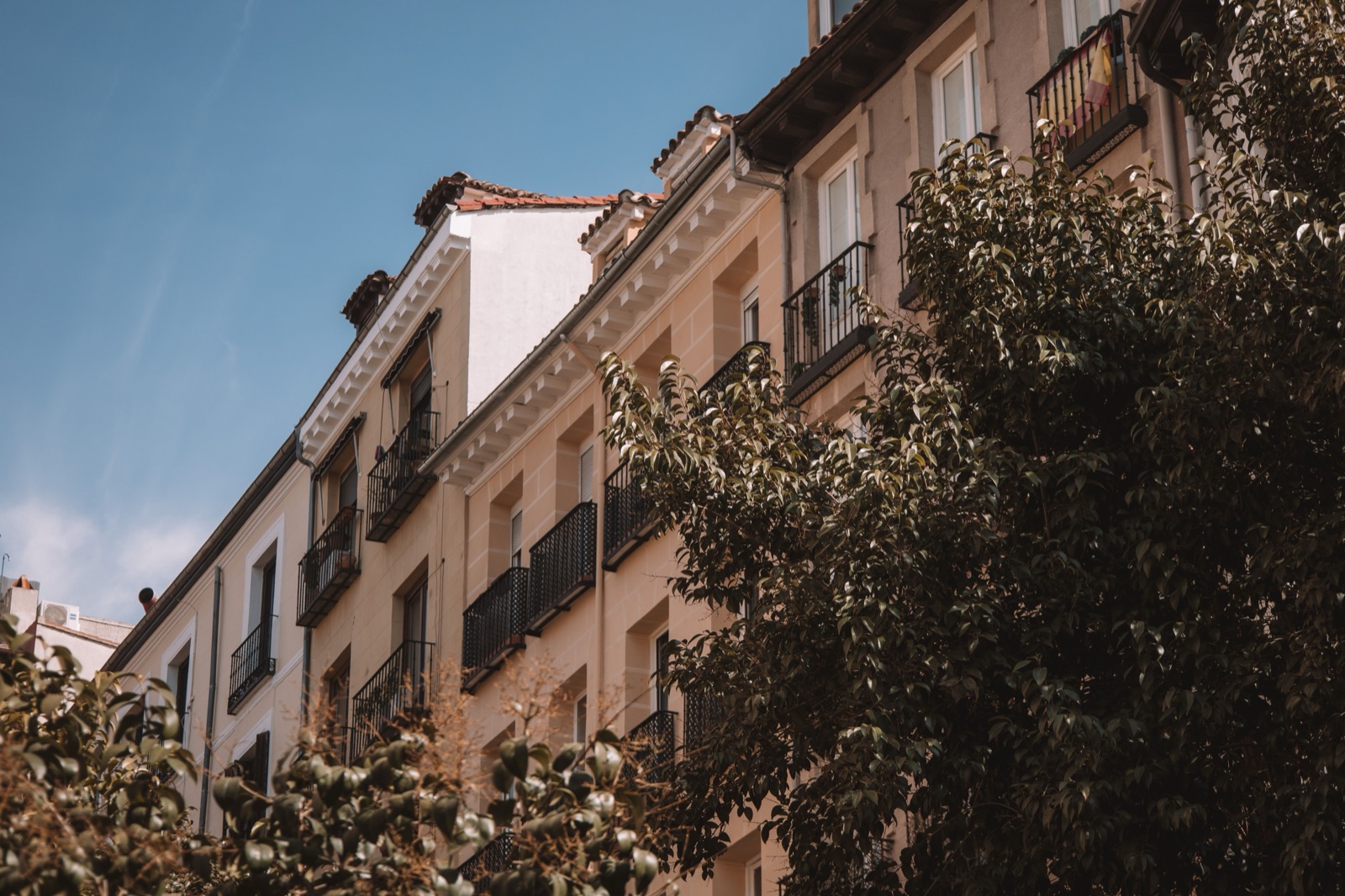
A 70 m² apartment in Madrid averages €1,250 to €1,400 a month, according to Alkira Living’s breakdown of Idealista’s rental price index — and that’s after a 9.7% year-over-year increase through the end of 2025. Location changes the number more than almost anything else:
| Neighborhood | Average rent/month |
|---|---|
| Salamanca | €1,600–2,200 |
| Centro / Chamberí | €1,400–1,900 |
| Retiro | €1,400–1,800 |
| Arganzuela | €1,200–1,500 |
| Tetuán | €1,150–1,450 |
| Carabanchel | €950–1,200 |
| Puente de Vallecas | €900–1,150 |
| Villaverde | €800–1,050 |
Same city, same-sized apartment, a €1,150 gap between the cheapest and most expensive district on this list. Madrid apartments for rent get more expensive the closer you get to the center — worth deciding which trade-off you’re making, commute versus rent, before you start calling, not after you’ve fallen for a listing in Salamanca. For a fuller side-by-side on rent, safety, and who actually lives where, see The Best Neighborhoods in Madrid, Compared. If your budget stretches well past Salamanca’s ceiling instead, Luxury Suburbs Near Madrid: Where the Money Is covers La Moraleja, Puerta de Hierro, and the rest.
Long-term rentals vs. short-term
A week on Airbnb in Madrid runs about €1,113 on average — which works out to roughly €4,452 stretched across a full month, more than three times what a long-term lease costs in most neighborhoods on the list above. That’s the real cost of a search that drags on: every extra week spent hunting is a week paying tourist rates instead of resident rates.
This is why getting into a long-term lease fast matters more than finding the perfect apartment. A decent long-term rental beats an ideal one you’re still waiting to hear back on, every time. (Yes, we know how obvious that sounds written down. No, it doesn’t stop people from waiting anyway.)
Long-term contracts in Spain also come with legal protections short lets don’t. The deposit limit is the one worth actually knowing: the legal ceiling on a security deposit for a primary residence is three months total — one month fianza legal plus up to two months garantía adicional, under LAU article 36. Anyone asking for more on a standard housing contract is outside the law, whether or not they say so. Short-term and temporada rentals run on different rules entirely, and agencies know the difference even when they don’t volunteer it upfront.
The best neighborhoods for renting in Madrid
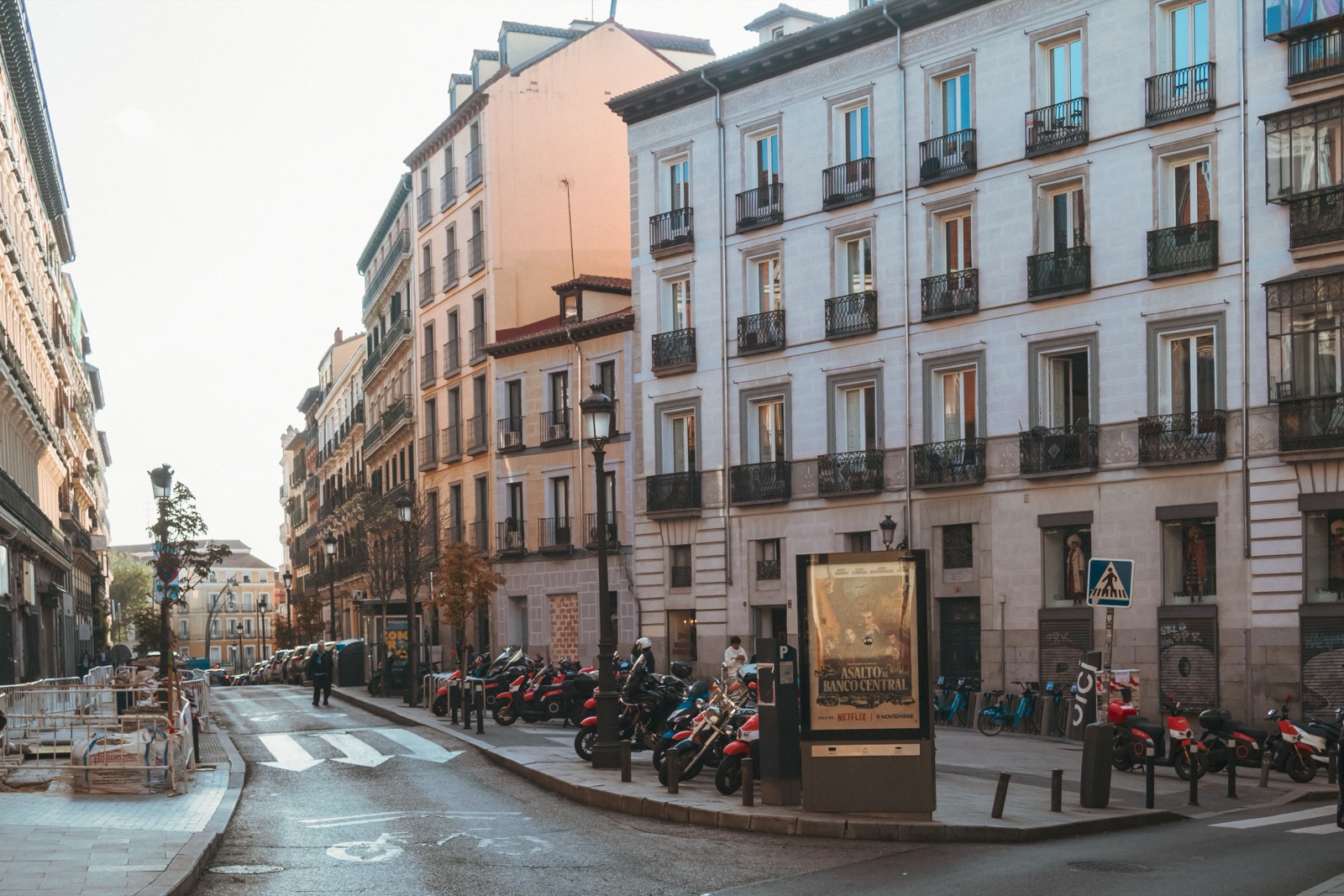
Villaverde (€800–1,050), Puente de Vallecas (€900–1,150), and Carabanchel (€950–1,200) are the three most affordable districts, all with metro access into the center. None of them are going to show up on a postcard, but none of them are going to eat half your paycheck either. For the full picture — including which “affordable suburb” lists are actually overpriced — see The Cheapest Commuter Towns Near Madrid: Affordable Housing.
Redialling the same number for the ninth time trying to book a viewing in Salamanca is Groundhog Day with worse hold music. Sometimes the better move is just picking a cheaper district with a shorter queue. And if price isn’t the only variable — family, work, nightlife — Where to Live in Madrid, by Who You Are breaks it down by who’s actually moving.
How long it actually takes to find a place
Nationally, only 23% of renters find a place in under two weeks — down from 28% the year before. 43% take more than two months. Madrid’s housing deficit sits at 203,743 homes, so the pressure here typically runs above that national average, not below it.
If Mission: Impossible taught us anything, it’s that the listing self-destructs in five seconds if nobody calls first. Realistically, budget more time than you’d like, and treat every week saved on the front end — documents ready, calls made fast — as a week you don’t spend on Airbnb rates. The First 15 Minutes: Why Speed Wins Flats covers exactly why that window is so short and what it takes to win it.
One thing that should always be a red flag
Never send a deposit or “señal” before seeing the apartment in person, or through someone you trust standing in for you. This is the most common rental scam pattern in Spain right now: good photos, a price a little too good, and a landlord who’s conveniently “out of the country” and just needs the transfer first. If you can’t visit, that’s the red flag — not an inconvenience to work around.
This exact pattern is what Spain’s national police warn renters about every rental season. For the full pattern-spotting checklist, see Red Flags: Spotting Fake Listings Before You Pay.
When this isn’t worth doing yourself
Not everyone renting apartments in Madrid needs this level of hustle. If you’re searching in a town with more listings than renters, or you’ve already got a place lined up through a friend or a company relocation package, none of this competitive-market stuff applies to you. Skip the spreadsheet, skip the 42-contacts math, just go sign the lease.
This guide — and Marta — are built for the opposite situation: a tight market, a deadline, and an agent who’s talking to two other people while you’re on hold. If that’s not your situation, you don’t need either.
We won’t promise you’ll love your new landlord. We will promise you’ll actually get them on the phone.
Frequently asked questions
How much does it cost to rent an apartment in Madrid?
A 70 m² apartment averages €1,250–1,400 a month citywide, according to Idealista's rental index. Prices range from €800–1,050 in Villaverde up to €1,600–2,200 in Salamanca, depending on the district.
What documents do I need to rent an apartment in Madrid as a foreigner?
An NIE or TIE (or passport while it's processing), your last three payslips or tax returns if self-employed, and an aval bancario or seguro de impago if you don't have Spanish income history.
Can I rent an apartment in Madrid without a Spanish payslip (nómina)?
Yes, with a bank guarantee (aval bancario) or default-payment insurance (seguro de impago) lined up before you call. Without one of those ready, most agencies screen out foreign applicants before a viewing is even offered.
What's the difference between long-term and short-term rentals in Madrid?
Long-term leases run under standard tenancy law, with rent-increase caps and deposit limits. Short-term and temporada rentals follow different rules and cost significantly more per month — a week on Airbnb alone runs about €1,113 on average.
How long does it take to find an apartment for rent in Madrid?
Nationally, 23% of renters find a place in under two weeks, and 43% take more than two months. Madrid's 203,743-home deficit means the search here tends to run longer than the national average.
What's the cheapest neighborhood to rent an apartment in Madrid?
Villaverde, Puente de Vallecas, and Carabanchel are the most affordable districts, with average rents between €800 and €1,200 a month.
Is it safe to pay a deposit before seeing an apartment in Madrid?
No. Paying before an in-person viewing is the most common rental scam pattern in Spain right now. If a landlord insists on payment first and can't show you the apartment, treat that as a red flag, not a formality.
Do I need a real estate agent to rent an apartment in Madrid?
Not necessarily — private landlords are often more flexible than agencies, which tend to apply stricter screening. Either way, the documents and speed requirements above apply the same to both.