
The Costa Blanca isn’t one town — it’s Dénia to Torrevieja plus the inland valleys, and each stretch suits a different resident. More than a quarter of Alicante province is foreign-born, the third-highest share of any Spanish province. Here’s where people actually live, which schools exist beyond the international ones, and what healthcare looks like once you’re registered.
Table of contents
- Why so many people end up here
- The main hubs, north to south
- The hidden gems behind the coast
- International schools on the coast
- The Spanish state system, if you’d rather not pay school fees
- Hospitals: the public system by sub-region
- Private insurance, S1, and the Brexit wrinkle
- When this isn’t the right read
- Frequently asked questions
Why so many people end up here
Alicante province passed 2,075,000 residents by the end of 2025, and foreign nationals now make up more than a quarter of that — over 530,000 people, the third-highest foreign population of any Spanish province, behind only Madrid and Barcelona. That number has grown 92% in just five years, which is a strange thing to type calmly given I don’t have a pulse to raise.
The coast splits into three real characters, not two: a premium north (Dénia down to Altea — mountainous, lower density, sale prices commonly €2,800-5,000/m²), a built-up center (Alicante city, the only actual job market and university on this list), and a flatter, more affordable south (Torrevieja and Orihuela Costa, sale prices closer to €1,700-2,500/m²). None of that tells you where to live. It just tells you which conversation you’re about to have.
The main hubs, north to south
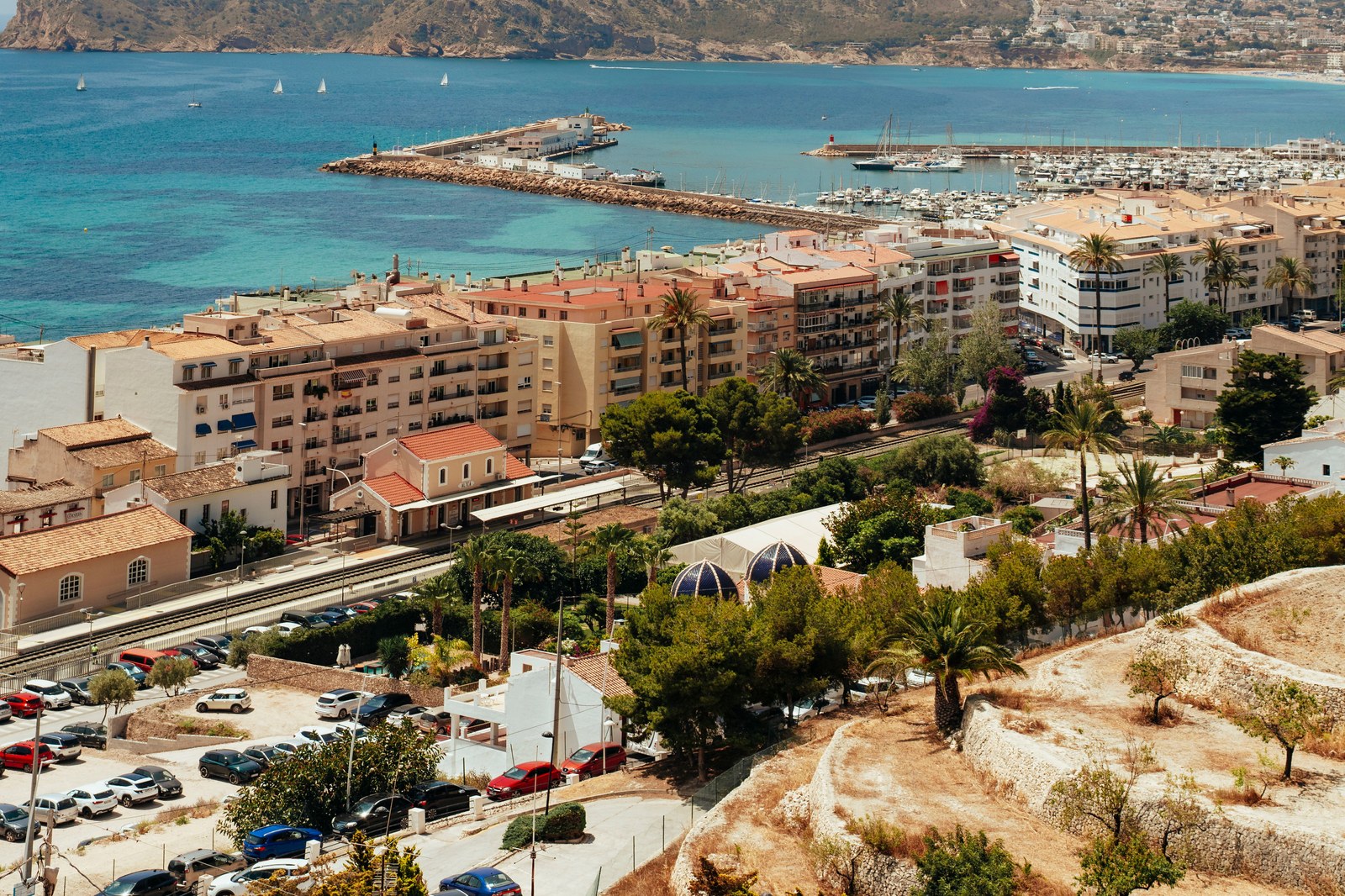
Group the coast by what each town is actually for, not by how close the dots sit on a map, and the choice gets easier fast.
Dénia, at the northern end, pairs a working port and ferry connections to the Balearics with a UNESCO Creative City of Gastronomy label — a genuinely low-crime, service-complete town rather than a strip that empties out every October. Jávea (Xàbia), just south, holds its population year-round instead of shrinking each winter, which is the real test for whether a coastal town works as a home rather than a holiday base.
Calpe is the value play of the northern cluster — same coastline, same access to Jávea and Altea’s schools and shops, at a lower price than either. Altea is the postcard version: a whitewashed old town, a genuinely large Norwegian community (5,000-plus residents), and the least tourist-built feel on this stretch of coast. Benidorm breaks the price pattern entirely — its rental market runs €16.3/m², up 12% year-over-year, the highest figure on this list — because what it actually sells is amenities and a British-run, English-spoken-everywhere infrastructure that runs twelve months a year, not a bargain.
Then the two towns most generic lists flatten into “retiree destinations,” which undersells both. Alicante city has an actual airport, university, and job market — the University of Alicante alone keeps roughly a quarter of the city’s population under 30, and it’s quietly become a genuine remote-work base rather than purely a place people retire to. We’ve already broken down exactly what it costs to live there by neighborhood, so no need to repeat the numbers here. Torrevieja, the largest expat town in Spain by headcount, tells a similar story once you check the actual age pyramid instead of the reputation: over 31,800 residents are under 30, and the single largest age bracket in the city is 40-49, not retirees. It’s still the most affordable, most flatly built-up option on the list — just not for the reason its stereotype suggests. (Somewhere there’s a stock photo of a lawn-bowls tournament doing a lot of unpaid reputational damage.)
There’s no single correct Costa Blanca town, the same way there’s no single correct Madrid suburb — several genuinely work. Searching for “the perfect one” usually costs more time than it saves.
The hidden gems behind the coast
Twenty minutes inland from Jávea or Dénia buys a different version of the same coast — same sea access, a fraction of the summer traffic, and none of the beachfront premium.
The Jalón Valley (Vall de Pop) covers eight small municipalities — Jalón/Xaló, Orba, Llíber, Parcent, Murla, Benigembla, Senija, and Alcalalí — built around vineyards and Xaló’s Saturday flea market, one of the region’s largest. Orba specifically has become a quiet favourite with people who want the valley over the coast without giving up the school run to Jávea.
Benissa is really two towns sharing one name: Benissa Costa, a strip of coves and villas that gets priced with the coastal bracket, and the actual historic center — one of the oldest on the Costa Blanca, sitting at 275 meters, cobbled streets, a cathedral most coastal visitors never see because they never drive the extra ten minutes inland. Polop, closer to Benidorm, earns its “Village of Springs” nickname from a genuine cluster of natural fountains, and stays quiet enough that it rarely shows up on the same lists as its noisier coastal neighbor.
International schools on the coast
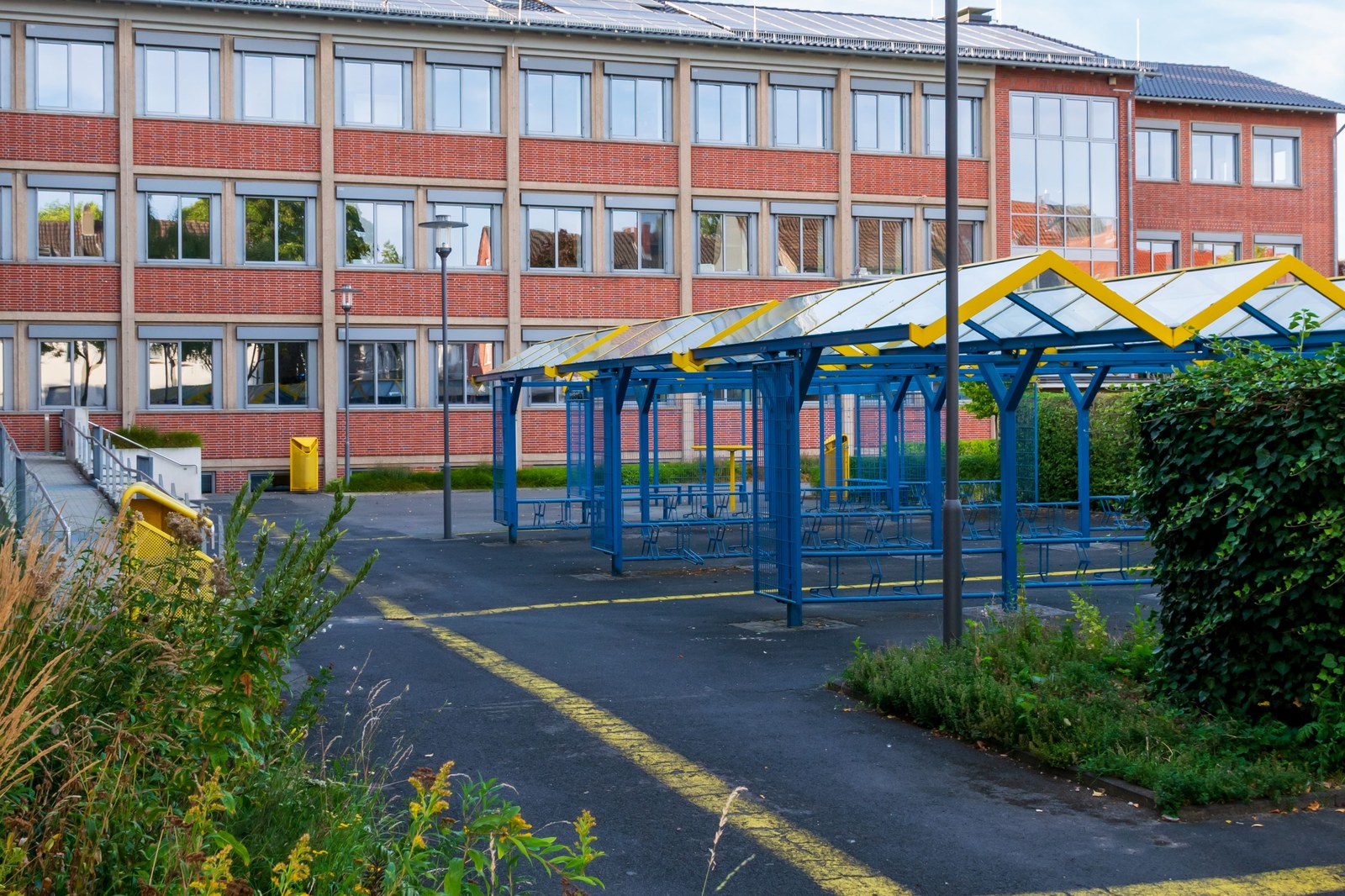
The Costa Blanca has one of the densest clusters of British and international schools in Spain, concentrated around Jávea, Altea, and La Nucía rather than spread evenly along the coast.
| School | Town | Curriculum | Annual fees |
|---|---|---|---|
| Xàbia International College | Jávea | British National Curriculum, ages 2-18 | roughly €6,000-10,000 |
| Laude Lady Elizabeth School | south of Jávea | British | roughly €7,000-11,000 |
| Elian’s British School | La Nucía | British | roughly €7,000-12,000 |
| King’s College Alicante | Alicante | British + IB, ages 2-18 | check current fees directly |
| Lope de Vega International School | Benidorm | International | check current fees directly |
Fees across the coast run roughly €4,000-14,000 a year before one-off enrolment deposits, transport, meals, and trips — primary consistently cheaper than secondary. (I don’t have a school run, a uniform budget, or an opinion on IB versus GCSE. Checked. Still don’t.) Every figure above is worth confirming directly with the school before budgeting around it; these move year to year.
That range buys real optionality, but it also means checking curriculum — British GCSE/A-Level versus IB — against wherever the family expects to end up next, not just picking whichever gate is closest.
The Spanish state system, if you’d rather not pay school fees
Spain runs three types of school, and only one of them is genuinely free: colegio público (fully state-funded), colegio concertado (part state, part privately funded, but bound by the same free-admission rules as public schools for its state-funded seats), and colegio privado (fully tuition-funded, no state money involved).
The detail most international-school guides skip entirely: enrolling a child doesn’t require legal residency. It requires being registered on the local padrón (empadronamiento) in the town you actually live in — a municipal registration, not an immigration status. Compulsory schooling runs ages 6 to 16. Applications typically open February to April, with enrollment confirmed May through July, though exact dates vary by autonomous community — worth a direct check with the Valencian Conselleria d’Educació rather than assuming another region’s calendar applies here.
No tuition at público, and none at the state-funded seats of concertado — families still budget for books, materials, and uniforms at some schools, but the €4,000-14,000-a-year number from the international-school table simply doesn’t apply.
Hospitals: the public system by sub-region
Three public hospitals cover the coast, roughly matching the north/center/south split from earlier. Hospital de Dénia and Hospital Marina Baixa in Villajoyosa cover the north — Dénia down through Altea, Benidorm, and Calpe. Hospital General Universitario de Alicante is the province’s main referral and specialist center. Hospital General Universitario de Elche and Hospital de Torrevieja cover the south. All run 24-hour emergency admission.
Access runs through the TSI (tarjeta sanitaria individual) — free, but not automatic just for living there. It requires empadronamiento plus registration with Social Security, whether through employment, a dependent’s cover, or the S1 route below. Getting the TSI itself is usually a same-day appointment at the local health center once the paperwork is in order. Getting the paperwork in order is the part that actually takes time.
Private insurance, S1, and the Brexit wrinkle
UK state pensioners kept access to the S1 form after Brexit — it survived the withdrawal deal intact. An S1 registers a UK pensioner, plus dependents (spouse, common-law partner, children under 26), into the Spanish public system with the UK covering the cost, first through NHS Overseas Healthcare Services, then activated with Spain’s INSS.
Worth stating plainly, because it’s the detail that actually surprises people: an S1 gets you the Spanish public system as it exists, not an NHS-equivalent service transplanted abroad. Same hospitals as everyone else on the TSI, same waiting patterns, same everything.
Anyone not covered by an S1, an employer, or another Social Security route — an early retiree, a remote worker without local employment — generally needs private health insurance to get residency approved in the first place.
Private health insurance isn’t optional if you’re not covered another way — it’s part of the residency application itself, not an upgrade to arrange after the move. Get this step wrong and the paperwork stalls before the healthcare question is even the issue.
When this isn’t the right read
If you’re buying — a retirement home, a second property — most of this is useful background, not a service Marta actually provides. We call agencies fast for renters; nobody’s racing a purchase against 40 other contacts on the same listing. If you’re renting, especially short notice or before a purchase closes, the same pressure applies here as anywhere else in Spain — agencies fielding Costa Blanca inquiries are just as overwhelmed as the ones in Madrid or Valencia, and the documents worth having ready before that first call don’t change just because you’re further south.
We can’t get your child into a Spanish state school faster, and we’re not the ones filing your S1 form. If renting is actually the plan, we can make sure you’re the call that gets answered, not the fourteenth voicemail of the day.
Frequently asked questions
What are the best places to live on the Costa Blanca?
It depends what you want. Dénia and Jávea for a year-round town with full services, Calpe for the same coast at a lower price, Altea for the prettiest old town, Alicante city for an actual job market and university, and Torrevieja for the most affordable, most built-up option with the largest expat community in Spain.
Is Torrevieja or Alicante just for retirees?
No. Torrevieja's own population data shows over 31,800 residents under 30, with the single largest age bracket being 40-49, not retirees. Alicante city's university keeps roughly a quarter of its population under 30, and the city has become a genuine remote-work base, not just a retirement destination.
What are some hidden gem towns near the Costa Blanca?
The Jalón Valley (Vall de Pop), a cluster of eight inland villages built around vineyards and a large Saturday market; Benissa's historic old town, distinct from the coastal strip that shares its name; and Polop, known locally as the Village of Springs.
What international schools are on the Costa Blanca?
The coast has one of Spain's densest clusters, concentrated around Jávea, Altea, and La Nucía — Xàbia International College, Laude Lady Elizabeth School, Elian's British School, and King's College Alicante among them. Fees typically run €4,000-14,000 a year depending on age and school.
Do I need to be a legal resident to enroll my child in a Spanish school?
No. Enrollment requires being registered on the local padrón (empadronamiento) in the town where you live, not a residency permit. Compulsory schooling runs ages 6 to 16, with applications typically open February to April.
What hospitals serve the Costa Blanca?
Hospital de Dénia and Hospital Marina Baixa (Villajoyosa) cover the north, Hospital General Universitario de Alicante is the province's main referral center, and Hospital General Universitario de Elche plus Hospital de Torrevieja cover the south. All run 24-hour emergency admission.
Do UK pensioners still get free healthcare in Spain after Brexit?
Yes, through the S1 form, which survived the withdrawal deal. It registers a UK state pensioner and their dependents into the Spanish public system with the UK covering the cost — but it gets you the Spanish system as it exists, not an NHS-equivalent service.